
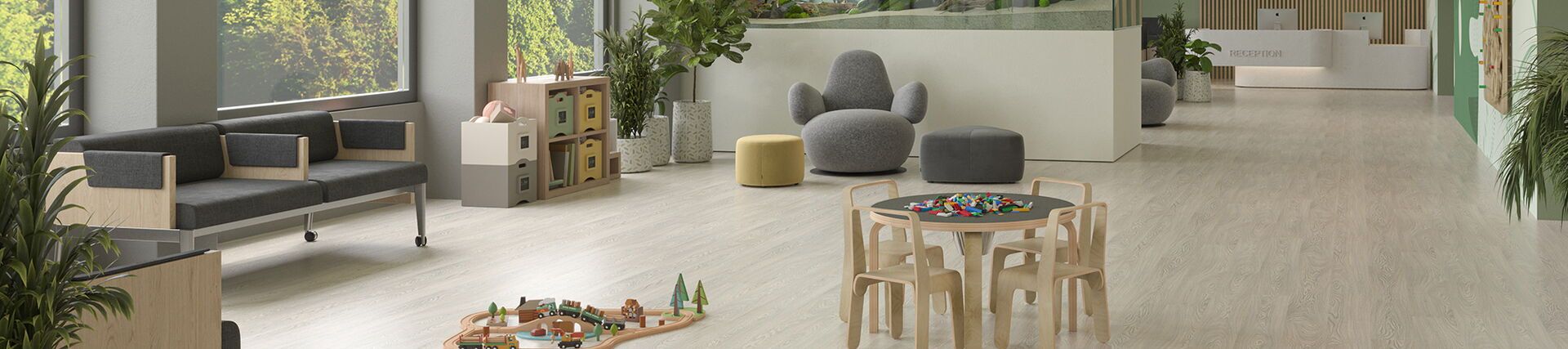
If you’re weighing up vinyl flooring vs laminate, it’s one of the most common flooring decisions Australian homeowners face, especially when balancing style, durability, and everyday practicality. Both look like timber, both are cost-effective, but they perform very differently once installed. Here’s a clear, no-fuss breakdown to help you choose the right option for your home.
What’s the Difference Between Vinyl and Laminate?
The main difference comes down to what they’re made from. Vinyl flooring is synthetic, typically PVC-based. Modern products like LVT (Luxury Vinyl Tile) and LVP (Luxury Vinyl Plank) are multi-layered, designed for strength, comfort, and water resistance. If you’re asking what LVT flooring is, it’s essentially high-performance vinyl designed to replicate natural timber or stone with advanced realism.
Laminate flooring has a core with a printed decorative layer and protective coating. It looks like timber but contains natural fibres, which makes it more vulnerable to moisture.
Water Resistance: The Biggest Deciding Factor
When comparing vinyl vs laminate flooring, water resistance is where the gap is most obvious. Vinyl is water-resistant, meaning spills, humidity, and moisture is unlikely to affect its structure. This makes it ideal for Australian homes and commercial spaces where kitchens, bathrooms, and laundries see daily exposure to water. Laminate, while improved in recent years, is not as water-resistant. If moisture seeps into the joints or core, it is more likely to swell or lift over time.
Durability and Scratch Resistance
Both vinyl and laminate do a great job of replicating timber, but there are subtle differences.
Vinyl has evolved significantly with embossed textures and realistic grain patterns. It feels softer and warmer underfoot, making it more comfortable for everyday living. It also performs better acoustically, reducing impact noise, ideal for apartments or multi-storey homes.
Laminate tends to feel more rigid and closer to real timber in hardness, which some homeowners prefer. However, it can sound louder underfoot without quality underlay.
If you’re comparing vinyl vs timber flooring, vinyl offers a more forgiving, low-maintenance alternative with similar visual appeal.
Cost Comparison
In terms of upfront cost, vinyl and laminate are often similar at the entry level. Mid-range laminate can sometimes be slightly cheaper, but premium vinyl and laminate sit in a comparable range.
The real difference is long-term value:
Vinyl lasts longer in wet or high-moisture areas
Laminate performs best in dry, low-risk spaces
Choosing based on room usage, not just price, delivers better results over time.
Which Should You Choose? A Quick Summary
To simplify the vinyl flooring vs laminate decision:
Choose vinyl if you want:
Waterproof flooring for kitchens, bathrooms, or laundries
A softer, quieter underfoot feel
Easier installation over imperfect subfloors
Pet- and family-friendly durability
Choose laminate if you want:
Strong scratch resistance in dry areas
A firm, timber-like feel
Budget-friendly flooring for bedrooms or living rooms
Final Thoughts
The vinyl vs laminate flooring decision comes down to how your space is used every day. Vinyl leads in water resistance, comfort, and versatility, while laminate remains a strong option for dry areas where scratch resistance is a priority.
For most modern Australian homes, vinyl flooring offers the most flexibility, especially when you need a practical, low-maintenance solution that still delivers on style.
At Polyflor, we supply a wide range of high-performance vinyl and laminate flooring designed for real-life living, helping you choose a floor that looks good, performs well, and lasts.