
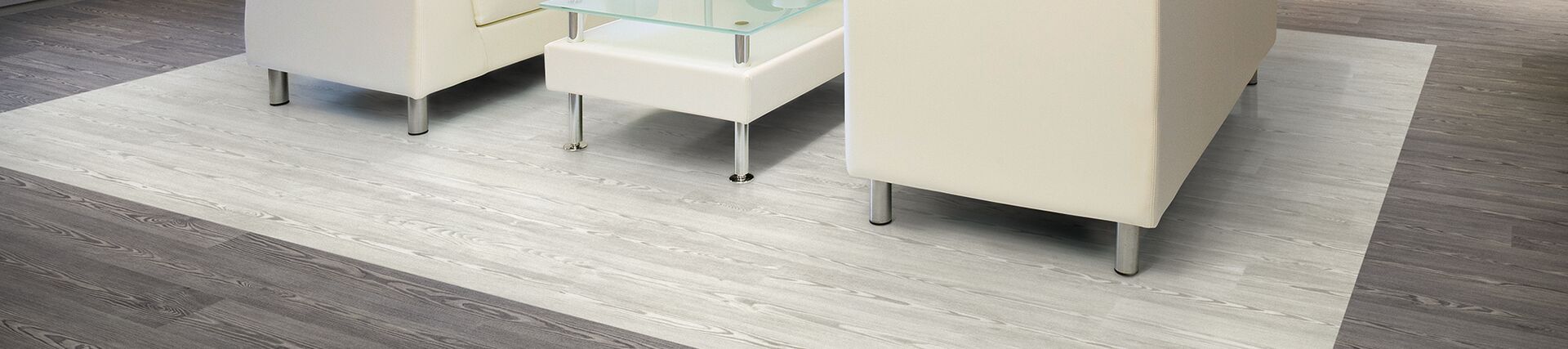
SPC Flooring vs. Vinyl Flooring
SPC vs vinyl flooring are popular choices known for their aesthetics, durability, and practicality. While both offer unique benefits, their construction differs, impacting performance and feel. LVT flooring has a soft, flexible PVC core with layers including a UV-stabilized wear layer, picture film, multiple vinyl layers, and a backing layer. Higher-end LVT may also include fibreglass. In contrast, SPC features a rigid Stone Polymer Composite core, making it denser and more rigid, with layers including a wear layer, picture film, SPC core, and an underlay made of foam, rubber, or cork.
What is SPC Flooring
Stone Plastic Composite (SPC) flooring combines limestone and PVC for a dense, durable core that mimics the look of natural materials like wood or stone. Known for its rigidity, water and heat resistance, SPC is a popular choice for both residential and commercial spaces. The natural stone powder gives it a realistic appearance, while the plastic polymer enhances durability and wear resistance. Available in various colours and patterns, SPC can replicate stone, hardwood, and tile.
What is Vinyl Flooring
Vinyl flooring is a synthetic material made from PVC, available in sheets, tiles, and planks. It’s affordable, low-maintenance, and comes in a wide range of designs that mimic natural materials like wood or stone. Made from compressed vinyl layers with high-resolution images, vinyl flooring offers an elegant, cost-effective option for homeowners and commercial use.
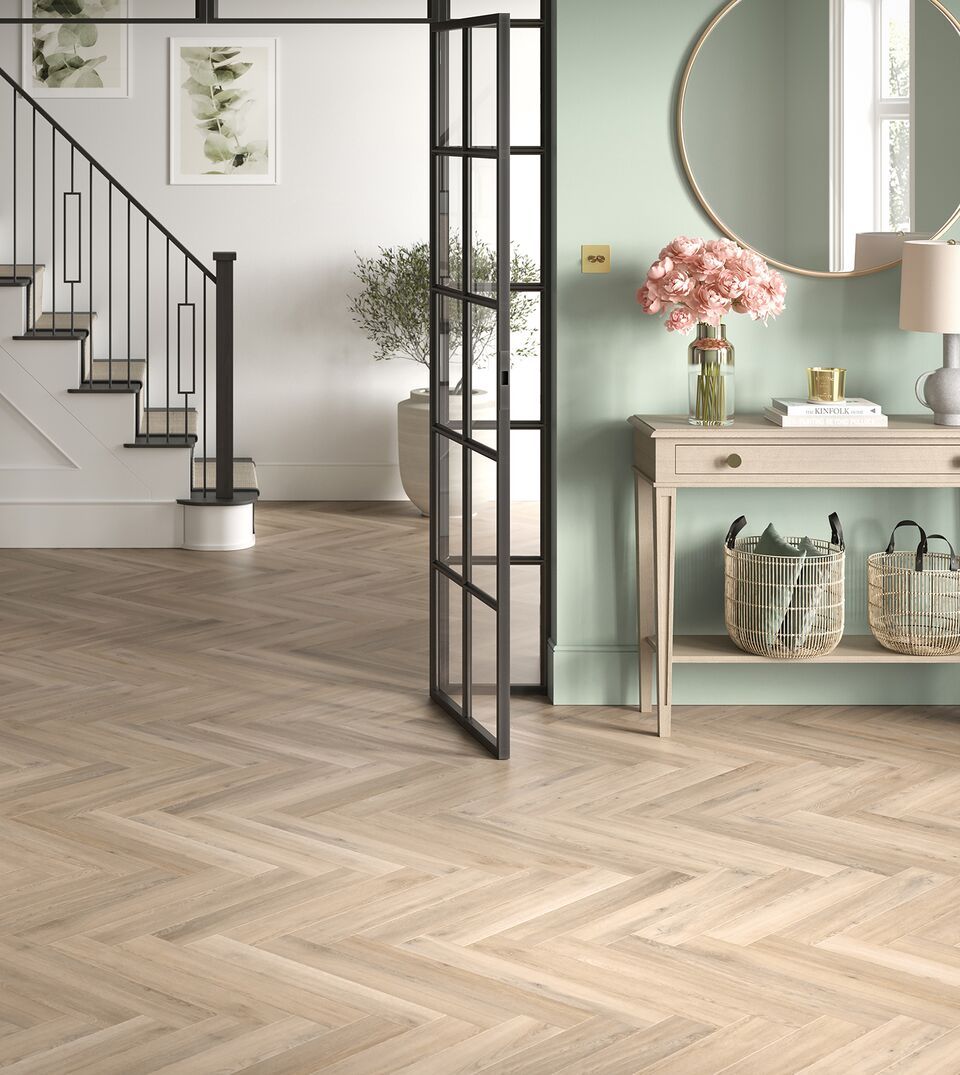
SPC Flooring vs. Vinyl Flooring: Things to Consider
- Materials
SPC flooring is composed of a rigid core made of limestone and PVC, while vinyl flooring primarily consists of PVC. The added limestone in SPC gives it more stability and a stronger feel.
Vinyl flooring tends to have a simple PVC core that gives it a soft and flexible feel underfoot. The layers include a UV-stabilised Polyurethane PVC wear layer, picture film, multiple layers of Vinyl, and a backing layer.
On the other hand, SPC flooring features a rigid Stone Polymer Composite core. An SPC floor consists of a UV-stabilised Polyurethane PVC wear layer, picture film an SPC core and an underlay made from foam, rubber and cork.
- Plank Thickness
SPC floor vs Vinyl floor When it comes to plank thickness SPC is generally thicker, ranging from 4mm to 9mm, offering added sturdiness, durability and defence against wear and dents. Vinyl flooring is typically thinner ranging from 2mm to 5mm.
- Appearance
Both SPC and vinyl flooring come in a variety of styles and finishes. SPC often has a more realistic texture due to its rigid core, while vinyl can provide a wider array of patterns and colours.
- Cost
SPC flooring vs vinyl flooring when it comes to pricing vinyl flooring tends to be more affordable than SPC. However, the price can vary based on brand, style, and quality.
SPC flooring is generally more expensive than LVT flooring due to its superior performance and durability. However, the final cost will depend on the specific product you choose and any installation costs.
- Water & Heat Resistance
Both SPC and vinyl flooring offer water resistance due to their dense core, making it suitable for areas like kitchens and bathrooms.
Both floorings are also suitable for installation with the underfloor heating system. If environmental temperature regulation is a priority, SPC offers better performance than LVT.
- Scratch Resistance
SPC flooring typically has better scratch resistance due to its dense composition, while higher-end vinyl can also be quite scratch-resistant, depending on the wear layer.
- Durability & Maintenance
Vinyl flooring vs SPC when it comes to durability and maintenance both options are durable, however, SPC flooring is known for being more resistant to dents and wear over time. Maintenance for both types is relatively easy, involving regular cleaning and occasional resealing.
Despite their robustness, it is still essential to take proper care of your flooring to maintain its aesthetic appeal and longevity. Regular cleaning using non-abrasive materials and avoiding harsh chemicals can help keep your flooring looking new for years.
- Installation
Both SPC and vinyl flooring are designed for DIY potential installation. SPC often features a click-lock system, while vinyl can be glued down or installed as a floating floor.
- Flexibility
Vinyl flooring is more flexible and can adapt better to subfloor imperfections. SPC is more rigid, which may make it less forgiving in uneven areas.
- Comfortability
Vinyl flooring is flexible, and you would imagine it is softer underfoot. However, as it bonds to the subfloor, it has remarkably little give and feels quite hard. SPC on the other hand have an underlay that sits between the rigid core and the sub-floor. this gives the floor a lot more comfort than you would at first think underfoot.
- Resale Value
Vinyl vs SPC flooring when it comes to resale, SPC flooring may offer a higher resale value in some markets due to its durability and water resistance, appealing to buyers looking for long-lasting solutions.
Frequently Asked Questions
1. Can I install SPC flooring or vinyl myself?
Yes, both SPC and vinyl flooring have the potential for DIY installation, often featuring user-friendly locking mechanisms.
2. Can I install SPC flooring outdoors?
SPC flooring is primarily designed for indoor use. While it can handle moisture, it’s not recommended for outdoor installations.
3. Which is more scratch-resistant: SPC or vinyl?
SPC flooring is generally more scratch-resistant due to its rigid core, but higher-quality vinyl can also provide excellent protection.
4. What is cheaper: SPC or vinyl?
Vinyl flooring is usually more affordable than SPC, though prices can vary based on the specific product.
5. What is more waterproof: SPC or vinyl?
SPC flooring is considered more waterproof than standard vinyl, making it a better choice for areas prone to moisture.
Read more in this blog.
Conclusion
Both flooring options are great and give unique benefits, but their construction differs, impacting performance and feel. SPC (Stone Plastic Composite) and vinyl flooring are popular choices known for their aesthetics, durability, and practicality. While both offer unique benefits, their construction differs, impacting performance and feel. SPC has a rigid limestone-PVC core, offering greater stability, scratch resistance, and heat resistance, while vinyl is more flexible, affordable, and available in a wider range of designs. SPC and vinyl flooring are both durable and water-resistant but differ in construction. Explore your flooring options with Polyflor today!


