
The Ultimate Guide to Vinyl Flooring
Vinyl flooring has become a popular choice for homeowners and businesses, offering a blend of durability, aesthetics, and affordability. Whether you’re renovating your home or upgrading your office, knowing the various types of vinyl flooring available will empower you to make a well-informed decision that suits your needs.
What is Vinyl Flooring?
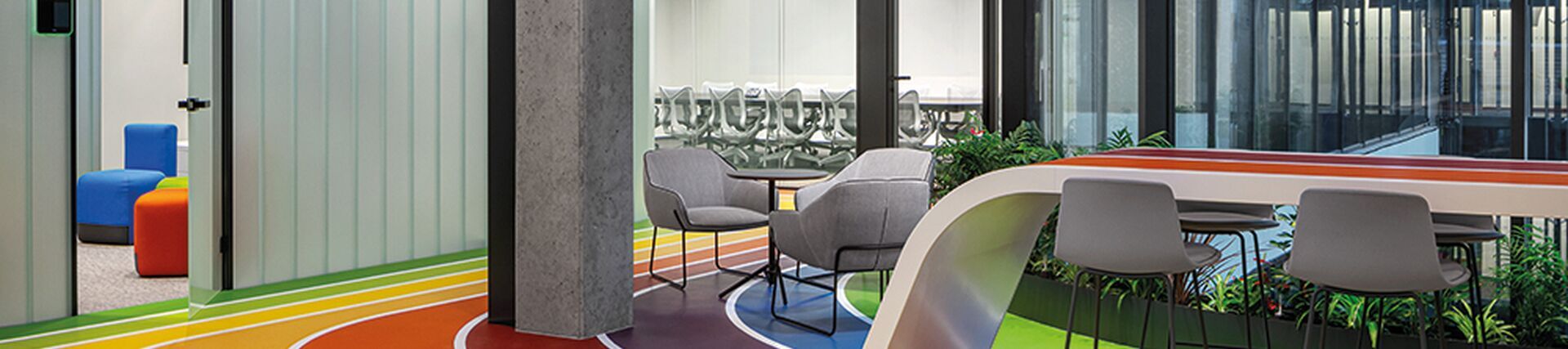
Vinyl flooring is a type of multi-layered synthetic flooring. Made from various materials and various forms, including sheet vinyl, vinyl plank, and vinyl tiles. Sheet vinyl flooring is a large, continuous sheet that is flexible and resistant to water. In contrast, vinyl floor tiles come in stiff, individual tiles, while vinyl plank flooring consists of interlocking strips designed to mimic the look of hardwood.
What is the Difference Between Vinyl Sheet and Vinyl Plank?
Both Sheet Vinyl and Vinyl Plank flooring are made from PVC and offer water resistance and durability, they differ in format and installation methods. Vinyl Sheets come in wide rolls that can be easily cut to fit any space, reducing the number of seams and potential water entry points. Vinyl Plank flooring, on the other hand, consists of individual planks that mimic the appearance of hardwood flooring.
Where Can Vinyl Flooring Be Installed?
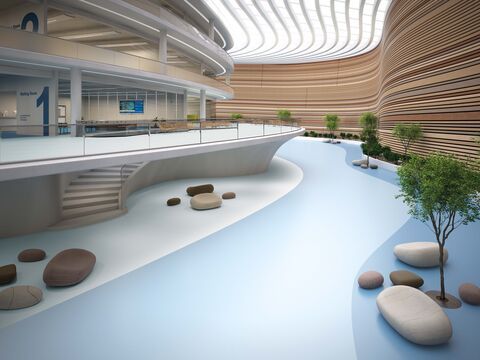
Vinyl flooring is highly versatile and can be installed in a multitude of locations, both in residential and commercial spaces. In residential areas, it’s perfect for kitchens, bathrooms, living rooms, bedrooms, and laundry rooms. For commercial settings, vinyl is well-suited for retail stores, offices, healthcare facilities, and educational institutions. This adaptability makes it an excellent choice for any environment.

Benefits and Advantages of Vinyl Flooring
- Easy to Install: Vinyl Flooring is designed for straightforward installation, making it a popular choice for anyone. With the variety of different vinyl flooring options, they can either be easily clocked or glued into place, allowing for a quick transformation of your space without always needing professional help.
- Easy to Clean: One of the standout features of vinyl flooring is its low maintenance requirements. A simple sweep and occasional mop are usually all that’s needed to keep it fresh. Its water-resistant properties also make it a great choice for areas prone to spills, like kitchens and bathrooms.
- Durable: Vinyl flooring is known for its resilience. It can withstand heavy foot traffic, resist scratches and dents, and is less likely to stain compared to other flooring options. This durability makes it ideal for all areas both residential and commercial.
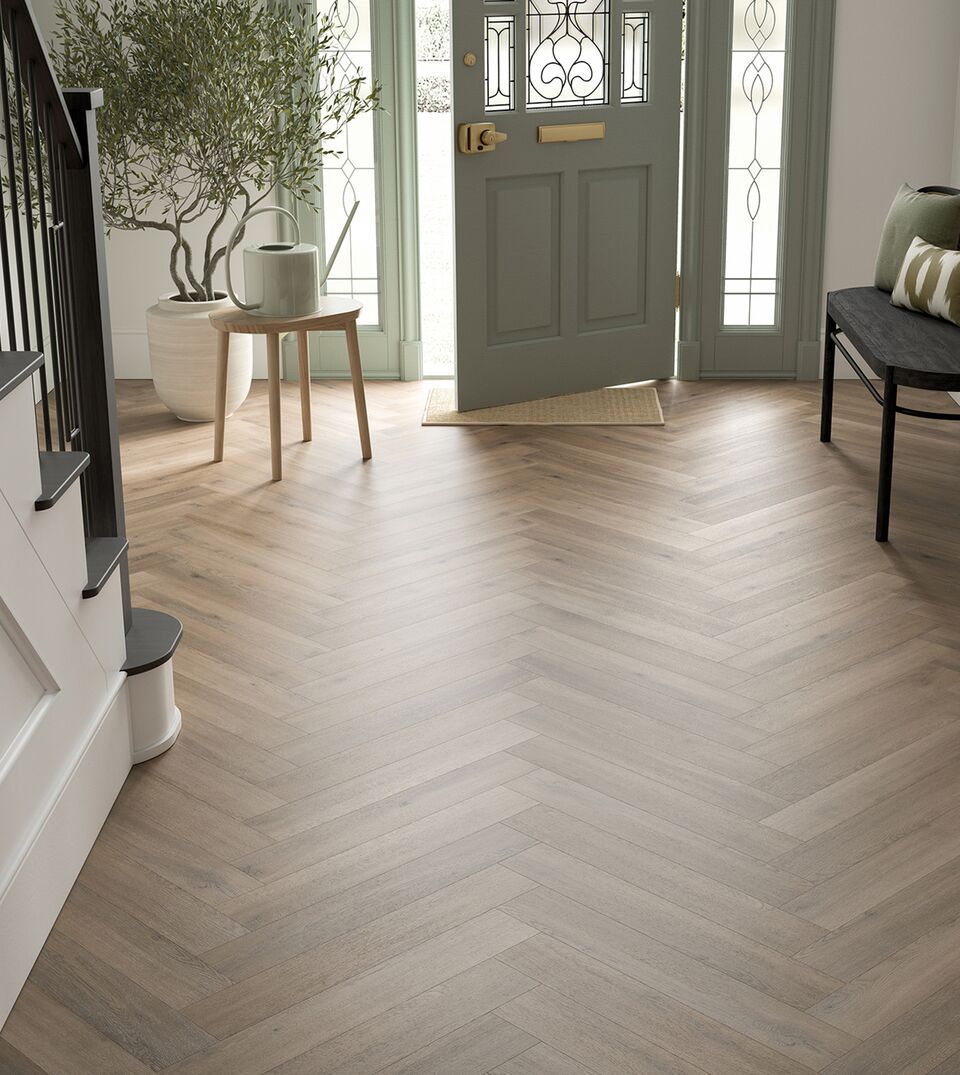
- Attractive: With a wide variety of designs, colours, and textures available, vinyl flooring can mimic the appearance of hardwood, stone, or tile, allowing you to achieve your desired aesthetic at a fraction of the cost. Whether you prefer a modern look or something more traditional, there’s a vinyl option to suit your style.
- Comfortable: Vinyl flooring is often softer and warmer underfoot than other hard flooring materials, making it more comfortable to walk on. It also provides some cushioning, which can reduce fatigue during long periods of standing, making it a great choice for kitchens and dining areas.
How to Install and Remove Vinyl Flooring
Vinyl flooring can be easy to install yourself. Most vinyl planks and tiles can be laid as a floating floor, locking together, while others may require glue or a peel-and-stick method. Be sure to follow any installation instructions included with your purchased vinyl flooring.
To remove vinyl flooring, clear the area and pry off the baseboard to access the edges. For glued-down planks, cut around the edges and lift them with a knife. Clean any adhesive residue from the subfloor and dispose of the old flooring as per local guidelines.
How to Clean and Maintain Vinyl Floors
As tough as vinyl flooring is, it still needs regular cleaning to live its full lifespan, and lucky for you it’s designed to be easy to maintain, here’s what we recommend doing.
- Vacuum or dry-mop the floor to remove surface dirt/dust- tiny scratches caused by all kinds of debris, dust and dirt that collect on your floors can dull the appearance of your floor planking. We recommend vacuuming or dry mopping first.
- Scrub to remove stains- whether your stain is fresh or stubbornly old, a soft nylon brush will help loosen it and remove it without scratching your floor.
- Wet-mop to remove grime- dampen your mop and mop your vinyl plank flooring in the direction of the planks.
The best cleaner for vinyl flooring is a pH-neutral formula designed specifically for vinyl floors. Avoid harsh chemicals and abrasives, as they can damage the surface. Pureflor is an excellent choice, effectively breaking down grease, oil, and food waste while eliminating odours. It’s non-corrosive and safe for all water-safe surfaces, including Vinyl Flooring.

How Much Does Vinyl Flooring Cost?
When looking at options of vinyl flooring costs in Australia, they range from $25 to $79 per square meter, influenced by quality, brand, and installation method.
When considering the cost of vinyl flooring, vinyl sheet flooring is the more economical choice per square meter, as it can be mass-produced in large rolls without the need for precise individual cuts.
Polyflor Australia offers a range of options to suit various preferences and budgets. The XL PU range, priced at approximately $33 per m² (cut price), combines high performance with stylish design. The Forest FX PUR range, at around $49 per m² (cut price), provides a practical and durable wood-look vinyl option. For those seeking premium quality, the Silentflor PUR range offers acoustic flooring at about $60 per m²(cut price), effectively reducing sound while maintaining durability and performance. With these choices, you can find a vinyl sheet that meets both your aesthetic and financial needs.
Vinyl planks and tiles typically cost between $30-$60 pe rm² for supply only, Polyflor Australia provides a multitude of options: the Studioflor PUR range at approx. $19 per m² that is developed for heavy traffic environments. The MiPlank PUR range is priced at approx. $47 per m² designed purposefully to last for Australian homes and busy families. The premium Expona Design PUR range is available for approx. $55 per m² that replicates the beauty of natural timber for use in very heavy areas.

Conclusion
Vinyl flooring is a versatile, durable, and cost-effective choice for both homes and businesses. Its wide range of styles, from sheet vinyl to luxury planks, caters to various aesthetic preferences and budgets. With easy installation and low maintenance requirements, vinyl flooring not only enhances the beauty of any space but also provides a practical solution that lasts.
Visit Polyflor’s website to find out more information about all things vinyl flooring near you.
If you have more questions, read this blog for more information.


