
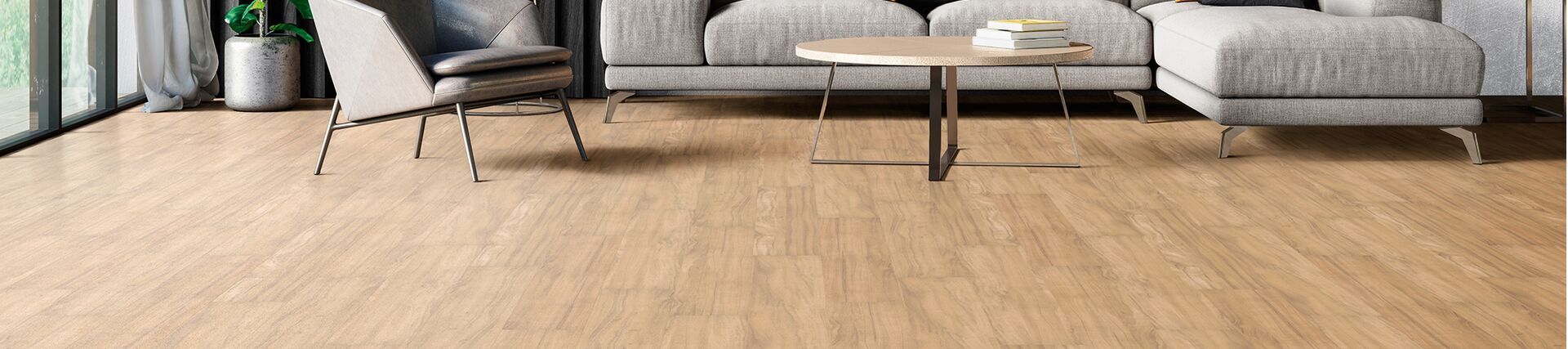
Vinyl Plank Flooring: Advantages vs Disadvantages You Should Know
What is Vinyl Plank Flooring?
Vinyl plank flooring is a modern, multi-layered flooring solution designed to mimic the look of natural materials like hardwood or stone. Built for performance, it typically features a cushioned base for comfort, a waterproof core for durability, a high-resolution printed layer for style, and a tough wear layer that protects against scratches and daily wear.
Whether you’re renovating a home, upgrading a commercial space, or designing a high-traffic area, vinyl plank flooring offers a reliable, stylish option that stands up to real-life demands.
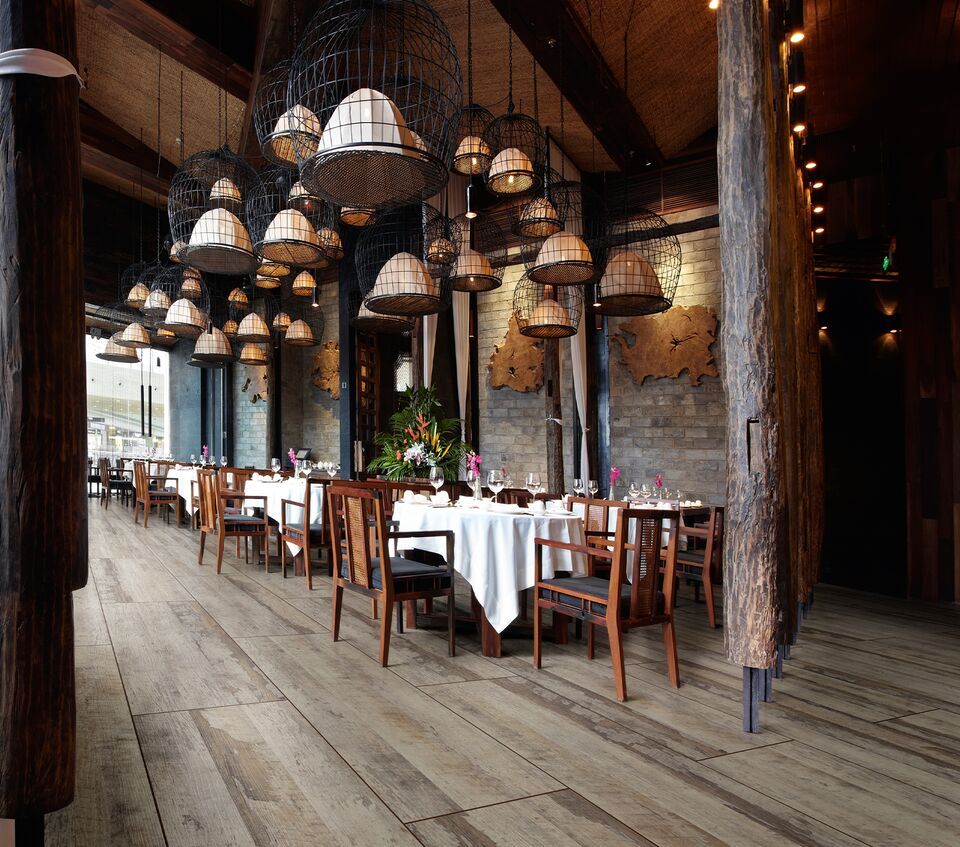
Types of Vinyl Plank Flooring:
- SPC (Stone Plastic Composite): Rigid, ultra-durable, and ideal for high-traffic or moisture-prone areas.
- WPC (Wood Plastic Composite): Softer underfoot with excellent sound insulation, great for residential spaces.
- LVT (Luxury Vinyl Tile): Available in both plank and tile formats, offering realistic textures and finishes.

The Main Advantages of Vinyl Plank Flooring
- Water Resistance
Vinyl flooring is highly water-resistant; it can handle spills and dampness without warping or buckling. Unlike traditional wood, it’s unlikely to swell, warp, or buckle when exposed to moisture. This makes it a smart, worry-free choice for wet or spill-prone areas. Whether it’s everyday splashes or unexpected leaks, vinyl plank flooring holds up beautifully.
- Durability and Wear
Vinyl plank flooring is built to last. Its tough, scratch, and dent-resistant surface makes it ideal for high-traffic areas, busy households, and homes with kids or pets. With proper care, quality vinyl plank flooring can last, providing a long-lasting and reliable flooring option for your home.
- Affordability
Vinyl plank flooring offers a high-end look without the high-end price tag, making it an ideal choice for budget-conscious homeowners or large-scale commercial projects. The longevity of vinyl plank flooring means more affordability, lower maintenance, and lower risk of floors needing repairing over time.

- Easy Installation
Vinyl plank flooring is designed with simplicity in mind, making installation fast and hassle-free. Whether it’s the click-and-lock system or adhesive-backed planks, both methods are straightforward for easy installation.
- Design Variety (Timber look, stone look, etc.)
Vinyl plank flooring offers an impressive range of styles, colours, and textures, beautifully replicating the look of natural materials like timber, stone, marble, and even concrete. Thanks to advanced printing technology, today’s vinyl flooring features incredibly realistic details, from warm wood grains to sleek stone finishes. Its versatility makes it easy to complement any interior style.
- Low Maintenance
Vinyl plank flooring is as practical as it is stylish, requiring minimal effort to keep it looking its best. Many vinyl options come with a built-in protective coating that resists stains, scuffs, and spills, making it a great choice for busy households and commercial spaces. It is a low-fuss flooring that stands up to everyday life.

The Disadvantages of Vinyl Plank Flooring
- Not Biodegradable / Environmental Impact
While vinyl plank flooring offers many practical benefits, it’s important to consider its environmental footprint. Some vinyl products contain PVC and phthalates, materials that are not biodegradable and may release volatile organic compounds (VOCs), potentially contributing to poor air quality. However, advancements in manufacturing have led to many modern vinyl options being made with low-VOC emissions for safer, healthier spaces.
Although luxury vinyl planks (LVP) aren’t biodegradable, many can be recycled, and some are even produced using recycled content. At Polyflor, we take sustainability seriously, partnering with and supporting multiple recycling initiatives and environmentally conscious schemes to help create a more sustainable future.
- Can Be Difficult to Repair
While it is durable, if a plank becomes damaged or requires replacement, it can be difficult to remove and replace an individual plank without affecting the surrounding area.
- Lower Resale Value Than Hardwood
Despite its realistic appearance, vinyl plank flooring may not have the same luxurious appeal as genuine hardwood or natural stone, potentially impacting the perceived value of the property.
- Potential for Fading or Discolouration
Like all flooring with prolonged exposure to direct sunlight can cause fading and discolouration of vinyl plank flooring over time.

Is Vinyl Plank Flooring Right for You?
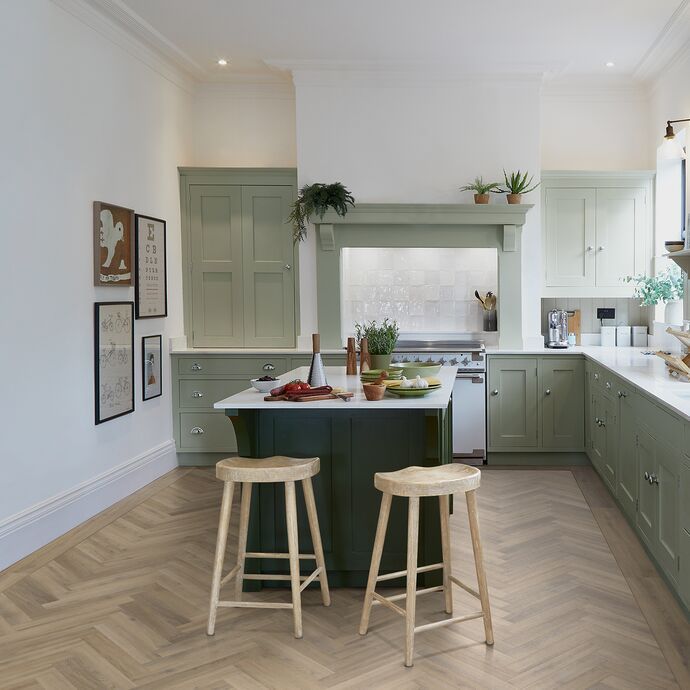
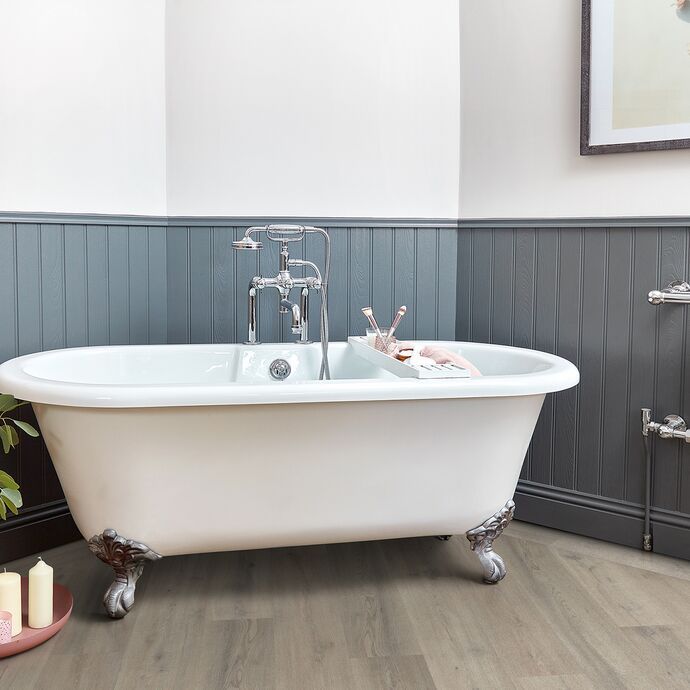
Vinyl plank flooring offers a smart alternative to timber, laminate, or tile, combining style, durability, and water resistance at a more affordable price. It’s a great choice for kitchens, bathrooms, and all commercial spaces, anywhere you need low-maintenance flooring that still looks great.

Final Thoughts on the Pros and Cons
Vinyl plank flooring brings together durability, easy maintenance, simple installation, and timeless style, making it a smart, practical choice for any home or space. Whether you’re renovating or building new, it offers the perfect balance of function and design.
Explore our collections for both commercial and residential spaces to find beautifully crafted timber-look designs in both contemporary and classic styles made to suit every space and lifestyle.


